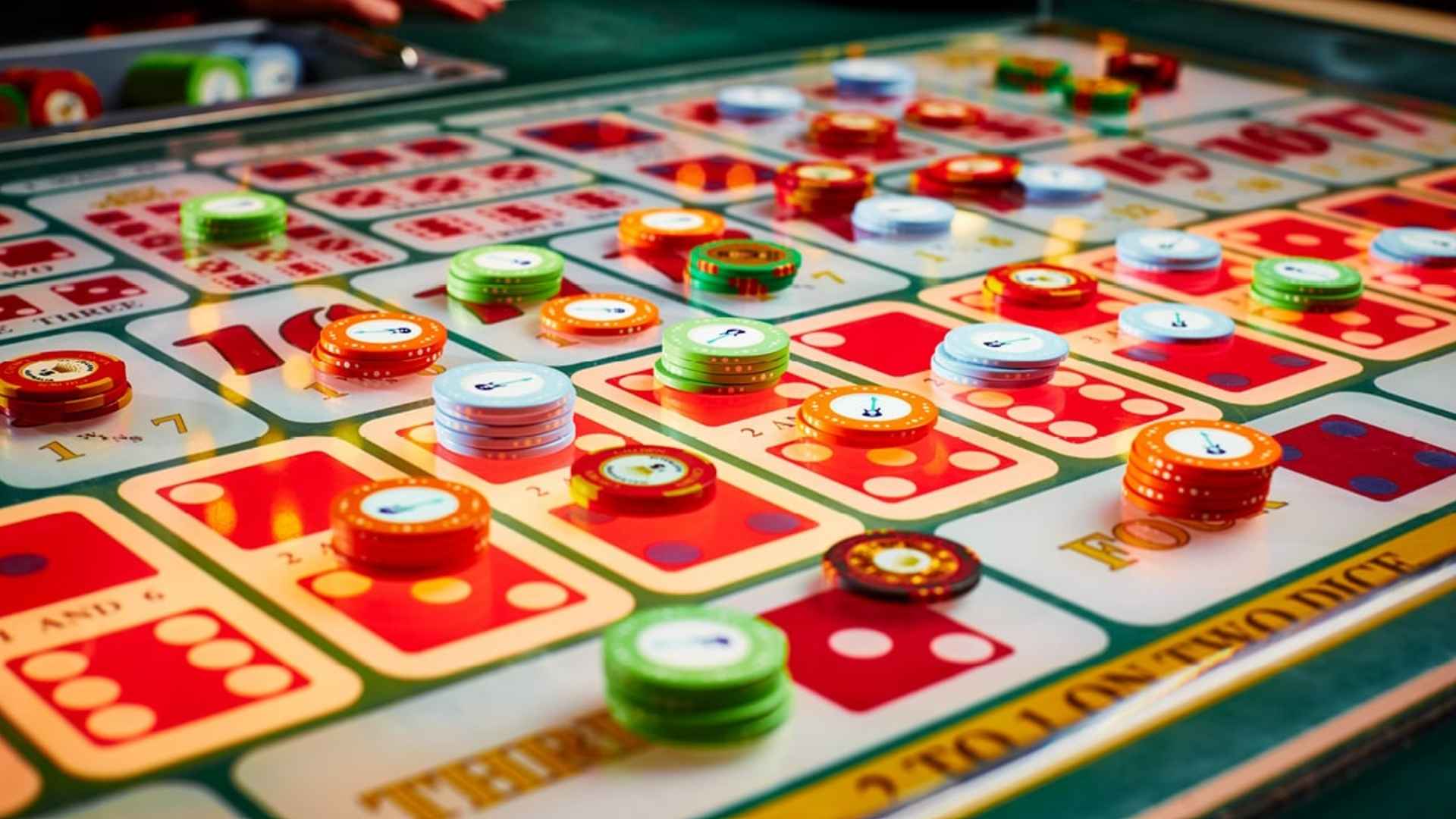
As aging adults seek engaging ways to maintain mental sharpness, tabletop activities have emerged as effective tools for brain health. Simple dice games provide a dynamic blend of mental calculation, focus, and social engagement without overwhelming complexity. Incorporating these playful exercises into daily routines can offer significant cognitive rewards for older adults.
Strengthening Mental Math and Working Memory
Rolling dice requires instant visual recognition of numbers and continuous addition of scores. This continuous exercise stimulates working memory, forcing the brain to recall rules and process changing numbers rapidly.
Regularly calculating point combinations helps preserve basic math agility and keeps analytical pathways active. Over time, these brief numerical workouts contribute to better mental speed and daily cognitive confidence.
Enhancing Focus and Executive Functioning
Dice games challenge players to make strategic choices based on evolving probability and risk assessments. Evaluating whether to keep certain dice or reroll demands concentration and planning.
These decision-making moments exercise executive function, which governs goal-directed behavior and self-control. Seniors engaging in recreational challenges, including those discussed on man888, often find that strategic play keeps their critical thinking skills sharp and attentive.
Promoting Fine Motor Skills and Tactile Stimulation
Handling, shaking, and rolling physical dice encourages hand-eye coordination and manual dexterity. These physical actions support motor pathways that often lose precision with advancing age.
The sensory feedback of gripping tactile components provides grounding stimulation during play. Maintaining this physical interaction helps preserve joint flexibility and fine control in the hands.
Fostering Social Connection and Emotional Well-being
Group gaming sessions offer vital opportunities for conversation, laughter, and emotional support among peers. Social interaction is widely recognized as a protective factor against cognitive decline and feelings of isolation.
The shared excitement of unpredictable outcomes creates an uplifting environment that reduces stress. Ultimately, combining cognitive exercise with friendly companionship enhances overall quality of life for seniors.